
Launching in Pakistan: one operating system for modern restaurants
SwiftScanPay brings POS, orders, payments, inventory and operations together in one connected platform, starting with restaurants in Pakistan.
1 min readRead article
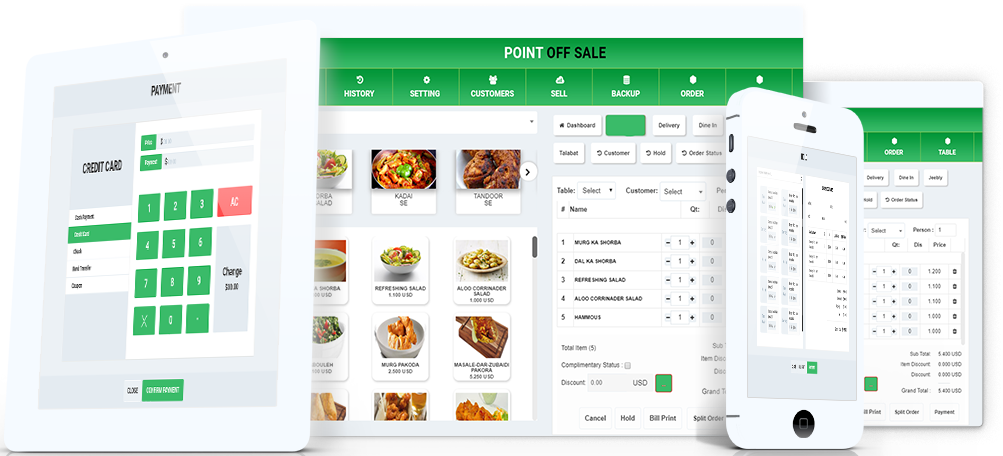

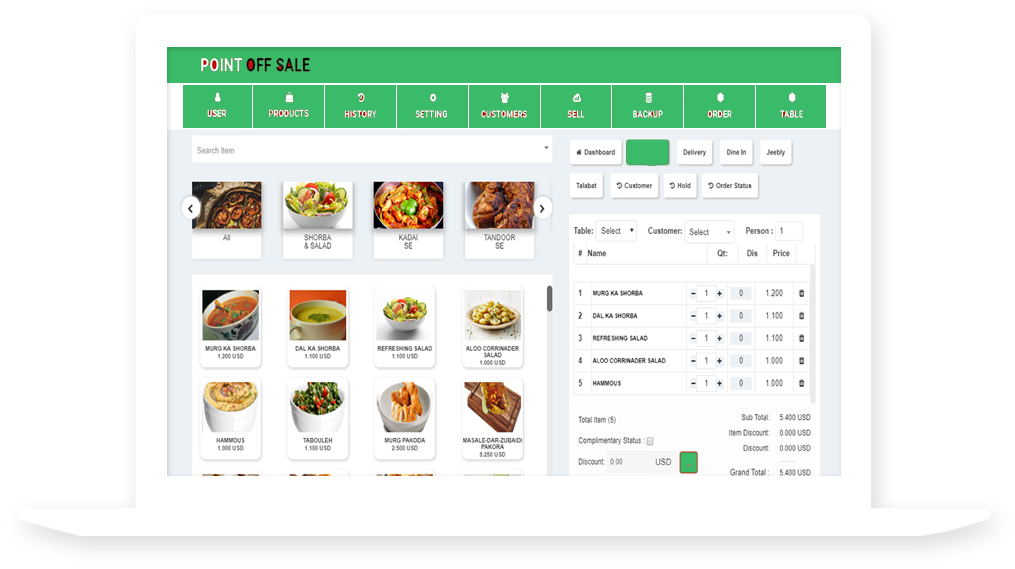
Restaurant POS, multi-location operations, inventory control, payments and real-time reporting, all offline-ready. Most operators did not choose a fragmented stack. It accumulated, one tool per problem. SwiftScanPay brings them together.
Overrides, discounts and voids are recorded as exceptions on the shift report instead of stopping the counter. Split tenders and partial payments happen in one flow, and course, seat and modifier handling is built in rather than bolted on.
The targets are large, there are no blocking dialogs, and everything else on the platform writes to the record the register opens.
Menus, prices and permissions are published from one place. Each register picks them up on sign-in, so a new site or a new device is ready as soon as staff clock in.
Roles are tied to the register they use. Clock-in, permissions and exceptions are written to the shift, and the manager sees all of it before close.
Sales, tickets and card tenders are written to the local ledger and reconciled when the connection returns. When the connection drops mid-service, nothing on screen changes. Staff are never asked to wait for a network.
On reconnect the indicator in the rail changes state, queued activity posts in order, and any variance is reported at close.
Every dish depletes its recipe. Par levels, variance and supplier orders sit against the same numbers the register produced, so the count is a check rather than a rebuild.

Each sale takes its ingredients out of stock automatically, per recipe, per portion.
Orders are raised from par levels and received against the same lines on a tablet at the back door.
Counts and variance by period, with the expected quantity shown next to every item.
Supplier price changes flow straight into recipe costs and margin reporting.
A floor plan that matches the room. Writes orders and covers the moment they are taken.
Course firing and elapsed time on every ticket. Reads orders, writes timings for the shift review.
Reviewed while the week is still open. Reads every area of the operation from one record.
Front of house, kitchen, payments, inventory, staff and management all write to the same record, so the operation reads as one business rather than six tools. A change in any one area is visible in the others immediately. No export, no spreadsheet, no phone call.
Explore the PlatformThe register is the core surface. Orders, kitchen, payments, inventory, staff and management all read from and write to the record it opens, so the close is a review rather than an investigation.
Explore the PlatformAverage checkout
Offline-capable POS
Operational areas, one record
Ledger across locations
Product updates, implementation guides and launch news from the SwiftScanPay team.
SwiftScanPay brings POS, orders, payments, inventory and operations together in one connected platform, starting with restaurants in Pakistan.
The register writes sales, tickets and tenders locally and reconciles them when the connection returns. Staff are never asked to wait for a network.
Growing from one site to five should not mean five sets of numbers. One menu source, one price book, one set of permissions.